
 -20%
Home & Decor
Dolce Ceramic Bowl Small - Olive
Original price was: $4.50.$3.60Current price is: $3.60.
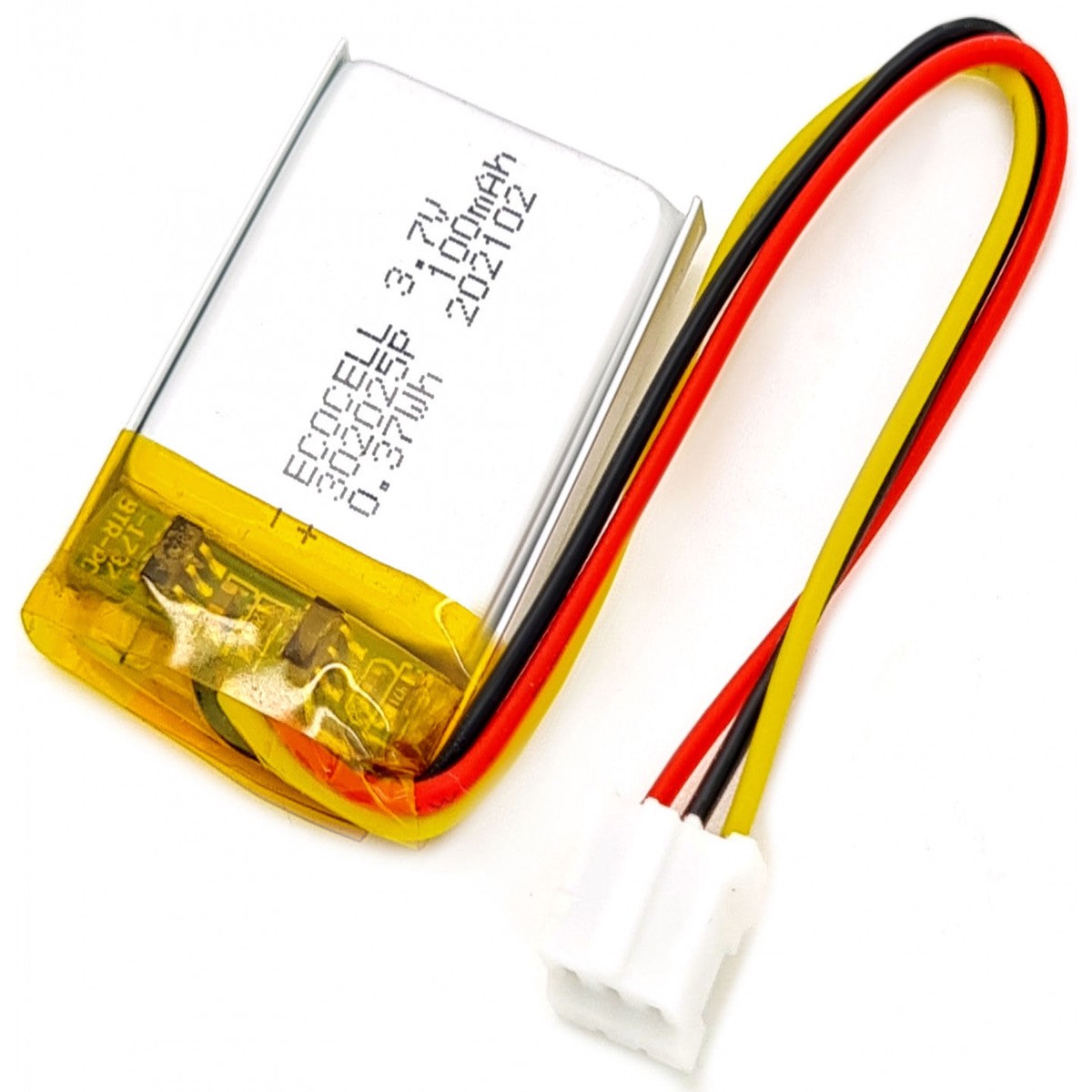
Lithium ion polymer (also known as ‘lipo’ or ‘lipoly’) batteries are thin, light and powerful. The output ranges from 4.2V when completely charged to 3.7V. This battery has a capacity of ~100mAh for a total of about 0.4 Wh.
Note: due to postage restrictions, lithium polymer batteries can only be sent by road,unfortunately this means there is no express shipping option for these.
This is anormal dischargebattery, andNOT a high rate dischargebattery.It isNOT suitable for RC cars, planes, dronesor other devices that require high power(current) for a short time. They are for applications that run for a long time(days to months) on a single charge, like portable electronic devices, dash cams, cameras or similar devices. The main difference between a high rate LiPo and normal LiPo is the discharge and charge performance. This battery has a continuous discharge rate of 1C, where a high rate battery has a continuous discharge rate of 5C, 10C, 15C, 20C, 25C, 30C 40C, 50C or higher.
The batteries come pre-attached with agenuine 3-pin JST-PH connectoras shown and includes the necessary protection circuitry. The JST-PH connector has 2.0mm spacing between its pins. Because they have a genuine JST connector, not a low quality knock-off, the cable wont snag or get stuck in a matching JST jack, they click in and out smoothly.
This is a 3 pin(3 wire) version of this LiPo battery. The yellow wire is connected to an onboard 10k NTC Temperature Sensor. We also sell the 2 pin version of this battery, without the NTC temperature sensor.
The included protection circuitry keeps the battery voltage from going too high (over-charging) or low (over-use) which means that the battery will cut-out when completely dead at 3.0V. It will also protect against output shorts. However, even with this protection it isvery important that you only use a LiIon/LiPoly constant-voltage/constant-current chargerto recharge them and at arate of 0.5C or less. Like most lipos, the batteries we sell do not have thermistors built in. This is why we suggest charging at 0.5C or even less, which is 50mA max for this battery.
When using this battery for wearable applications, and with conductive thread, a short in the thread can create sparks and heat. We recommend using coin cell batteries for beginners.
Additional safety notes:Do not use a NiMH/NiCad/lead-acid charger! Also, do not abuse these batteries, do not short, bend, crush or puncture.Never charge or use unattended. Always inspect batteries and
-20%  -20%
 -20%
 -20%
Reviews
There are no reviews yet.