
 -20%
General Accessories & Parts
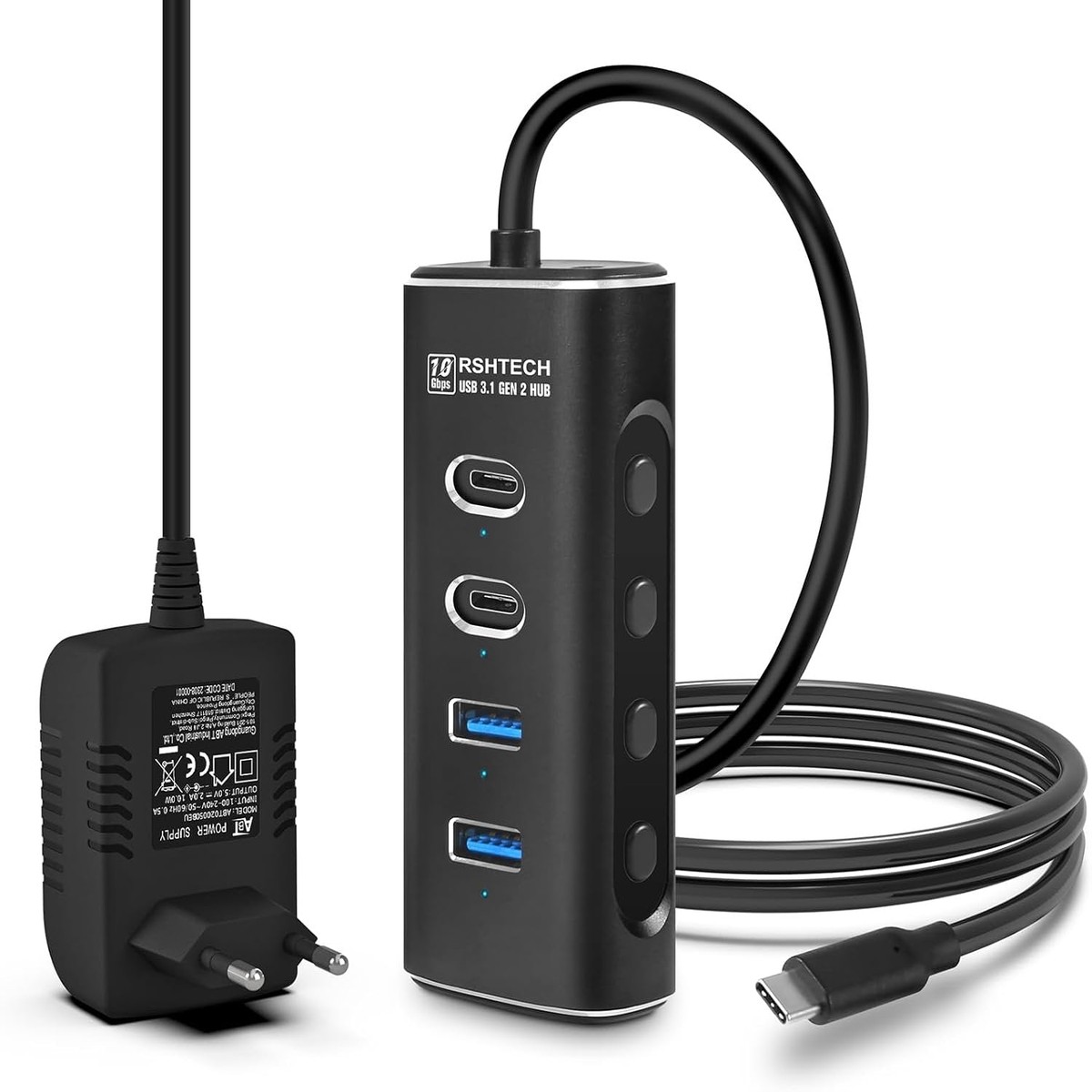
NRDIC USB 3.1 -kaapeli USB AUSB Micro B, 1 m, musta
Original price was: $31.00.$24.80Current price is: $24.80.

LIQUID HUMIC ACID SOIL CONDITIONER & NUTRIENT ENHANCER
Improve Nutrient Uptake, Support Soil Biology, and Build Long-Term Fertility
Liquid Humic Acid is a natural soil conditioner and biostimulant that enhances nutrient availability, supports microbial life, and encourages strong, healthy plant growth. Sourced from Canadian Humalitea highly concentrated form of ancient organic matterthis liquid formulation contains both humic and fulvic acids to unlock tied-up nutrients, improve soil structure, and build lasting fertility.
It can be used as a root drench, soil amendment, or added to compost tea brewing. Suitable for vegetable gardens, houseplants, landscapes, regenerative farms, and specialty crops.
Why Use Liquid Humic Acid
Improves nutrient uptake by chelating minerals and aiding root-level absorption
Increases root vitality, water retention, and soil tilth
Stimulates microbial activity and boosts soil food web function
Enhances plant resilience during drought, heat, or other stress events
Ideal for compost teas, root drenches, and long-term soil health strategies
Humic substances also bind with toxins, heavy metals, and excess salts, reducing their availability to plants and microbes. This detoxification effect helps restore balance in depleted or chemically stressed soils.
How to Use
Root Drench
5 ml per 1 L of water (20 ml per gallon). Apply to soil at the base of plants.
Compost Tea
0.51 ml per 1 L of water (24 ml per gallon). Add before brewing to support microbial growth.
Garden Beds & Lawns
Apply 100 ml per 10 m (100 ft), diluted 1:10 with water. Use 23 times per season.
Broadacre / Commercial Use
Drip & Drench: Use 1020 L per acre
Foliar: Use 48 L per acre
Greenhouse: Target 1.53.5 EC depending on need
Humic vs. Fulvic: What’s the Difference?
For new growers, understanding the difference between humic and fulvic aci
-20%  -20%
 -50%
 -50%
Reviews
There are no reviews yet.